
Best DHT Blockers for Men: Saw Palmetto vs Finasteride

If you've spent any time researching male hair loss, DHT comes up quickly. It's the hormone responsible for shrinking follicles in men with genetic sensitivity to it - and blocking it is the most direct way to slow or stop androgenetic alopecia from progressing.
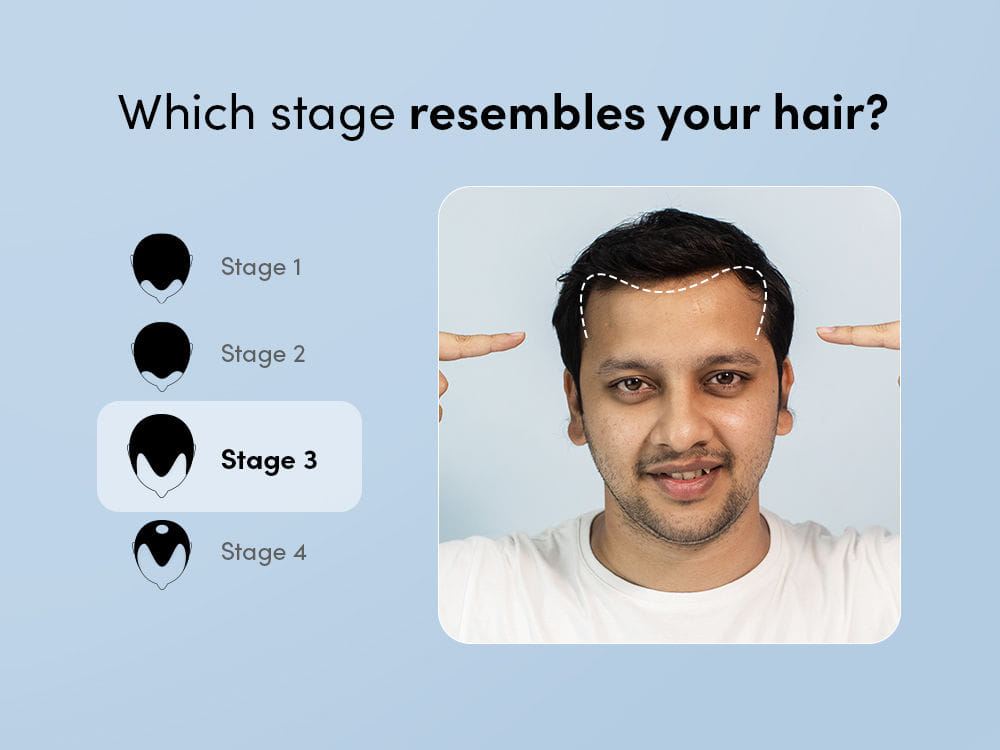
But once you look at how to actually block DHT, the options divide into two clear directions: natural plant-based inhibitors like Saw Palmetto, or pharmaceutical blockers like Finasteride. Both work on the same enzyme - 5-alpha reductase - but their potency, side-effect profile, and appropriate stage of use are meaningfully different.
This is a practical, evidence-based comparison to help you decide which fits your stage, preferences, and treatment goals. There's no universal winner - the right answer depends on where you are in the hair loss journey.
How DHT Causes Hair Loss
DHT (dihydrotestosterone) is produced when the enzyme 5-alpha reductase converts free testosterone into DHT in scalp tissue. In genetically sensitive men, DHT binds to follicle receptors and progressively miniaturises them - shortening the growth phase cycle by cycle until the follicle stops producing visible hair.
Blocking 5-alpha reductase is therefore the central logic behind most evidence-backed hair loss treatments.
Saw Palmetto: Nature's 5-Alpha Reductase Inhibitor
Saw Palmetto (Serenoa repens) is a palm plant native to the southeastern United States. Its berry extract has been studied extensively for its ability to inhibit 5-alpha reductase - the same enzyme Finasteride targets.
 Man Matters
How it works: Saw Palmetto's berry extract contains a specific combination of fatty acids and plant sterols that competitively bind to 5-alpha reductase - reducing the rate at which testosterone is converted to DHT at the scalp level. The inhibition is partial and local rather than systemic.
It acts primarily on Type I 5-alpha reductase, which is predominantly found in scalp tissue and sebaceous glands. Finasteride, by contrast, targets Type II - predominantly in the prostate and hair follicles. This difference in isoform specificity is why the two can be used together for broader DHT suppression.
Man Matters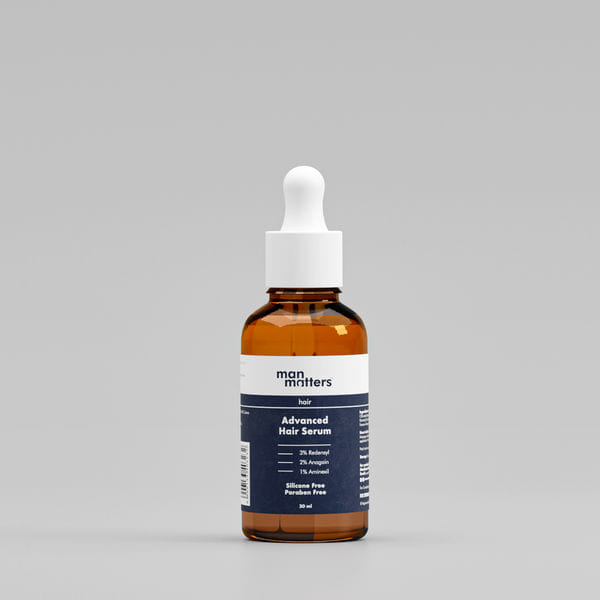
What the research shows: A controlled trial comparing Saw Palmetto to Finasteride 1mg found Finasteride superior (68% showed improvement vs 38% for Saw Palmetto) - but Saw Palmetto was not ineffective, particularly in early-stage loss and as a topical active.
Practical profile:
- No prescription required
- No systemic hormonal side effects at cosmetic concentrations
- Available topically (serums, shampoos) and orally (supplements)
- Most effective at Stage 1–2
- Results build over 3–6 months of consistent use
Finasteride: The Clinical DHT Blocker
Finasteride is an oral prescription drug originally developed for enlarged prostates and later approved for male pattern baldness at a lower dose. It is the most potent pharmaceutical DHT blocker available without injectable intervention.
How it works: Finasteride inhibits Type II 5-alpha reductase systemically - reducing DHT levels throughout the body, not just at the scalp. At the standard 1mg oral dose, studies show it reduces scalp DHT by approximately 60–70% and serum DHT by around 65%. This systemic reduction is more complete than anything topical Saw Palmetto achieves, which is why Finasteride is the stronger option for progressive, advanced hair loss.
Man Matters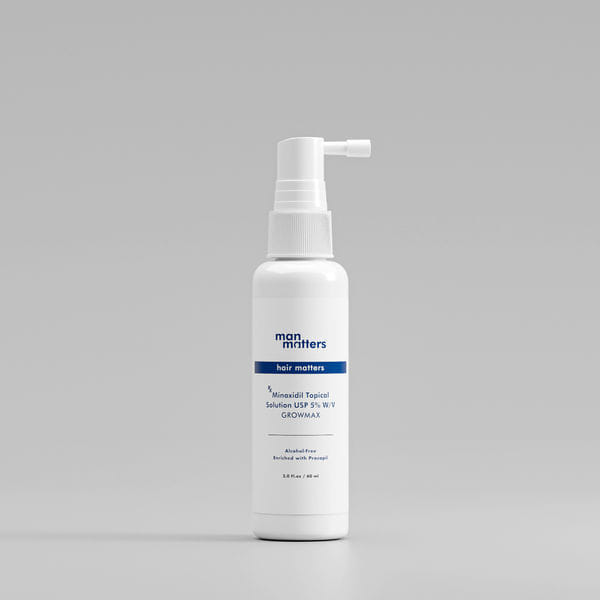
What the research shows: Large-scale clinical trials found Finasteride at 1mg daily produced visible improvement in approximately 66% of participants over two years. It is FDA-approved for male pattern baldness with decades of supporting evidence.
Practical profile:
- Requires a doctor's prescription
- Systemic DHT reduction - not scalp-specific
- Side effects documented in a subset of users (libido, sexual function) - uncommon but real
- Not for women of childbearing age
- Most effective at Stage 2–4
- Must be used long-term - stopping reverses gains
Head-to-Head Comparison
| Factor | Saw Palmetto | Finasteride |
|---|---|---|
| Type | Natural plant extract | Pharmaceutical drug |
| Mechanism | Inhibits Type I 5-alpha reductase | Inhibits Type II 5-alpha reductase |
| DHT reduction | Moderate - scalp-level | Potent - systemic (60–70%) |
| Prescription | No | Yes |
| Side effects | Minimal - no systemic hormonal effects | Documented in a subset of users |
| Best stage | Stage 1–2 | Stage 2–4 |
| Form | Serum, shampoo, or supplement | Oral tablet |
| Results timeline | 3–6 months | Visible at 3–6 months; full effect at 12 months |
Which One Should You Choose?
Choose Saw Palmetto if:
- You're at Stage 1–2 with mild thinning and want no prescription (can also choose Biotin gummies and redensyl based serum)
- You want DHT blocking built into your topical serum or shampoo
- You have concerns about systemic hormonal effects
Choose Finasteride if:
- You're at Stage 2–4 with significant thinning or visible recession
- Natural DHT blockers haven't been enough
- You're under medical supervision and comfortable with a prescription
Many dermatologists recommend both in different formats - Saw Palmetto topically as daily maintenance, Finasteride orally for systemic reduction in advanced cases.
The Combination Approach
The strongest position for men with moderate hair loss combines:
- A DHT-blocking shampoo with Saw Palmetto (daily cleanse, scalp-level inhibition)
- A multi-active leave-in serum with Procapil and Saw Palmetto
- Finasteride under medical guidance for Stage 2+ progressive thinning
Man Matters Advance Growmax Topical Solution contains 5% Minoxidil combined with a DHT Blocker - alcohol-free and clinically tested, designed for Stage 2–4 with minimum 6 months of use for visible results.
For topical Saw Palmetto coverage, the Man Matters Advanced Hair Serum includes Saw Palmetto alongside 3% Procapil (which also blocks DHT via Oleanolic Acid) - a meaningful daily stack without a prescription.
Man MattersWhen comparing DHT-blocking products: verify stated concentrations, clinical testing claims, and match product potency to your hair loss stage.
FAQ
Is Saw Palmetto as effective as Finasteride for hair loss?
No - Finasteride is more potent clinically. Studies comparing the two at standard doses found Finasteride produced improvement in 68% of men versus 38% for Saw Palmetto. However, Saw Palmetto is a meaningful option for early-stage loss, for men who want a no-prescription daily topical layer, and for those with concerns about Finasteride's hormonal side-effect profile.
Can I use Saw Palmetto and Finasteride at the same time?
Yes. They target different isoforms of 5-alpha reductase and don't conflict. Consult a doctor before starting Finasteride.
Does topical Saw Palmetto work as well as oral Saw Palmetto?
Topical targets scalp-level DHT at the follicle directly. Oral has systemic reach but is less concentrated at the scalp. Both have clinical evidence. Most serums use topical; supplements use oral forms.
Are there side effects from topical Saw Palmetto?
No clinically documented side effects from topical Saw Palmetto at cosmetic concentrations. Unlike oral Finasteride, topical application of Saw Palmetto does not raise or lower systemic hormone levels - the action is localised to the scalp tissue where it's applied.
How long before DHT blockers reduce hair loss?
Both require 3–6 months of consistent use before measurable reduction in shedding and visible changes in hair density. Finasteride's full benefit on hair count typically develops over 12 months of continued use. Saw Palmetto shows its most measurable early results between 3 and 6 months for men with mild to moderate thinning.