
Shampoo Ingredients for Hair Fall: What Works, What Doesn't?

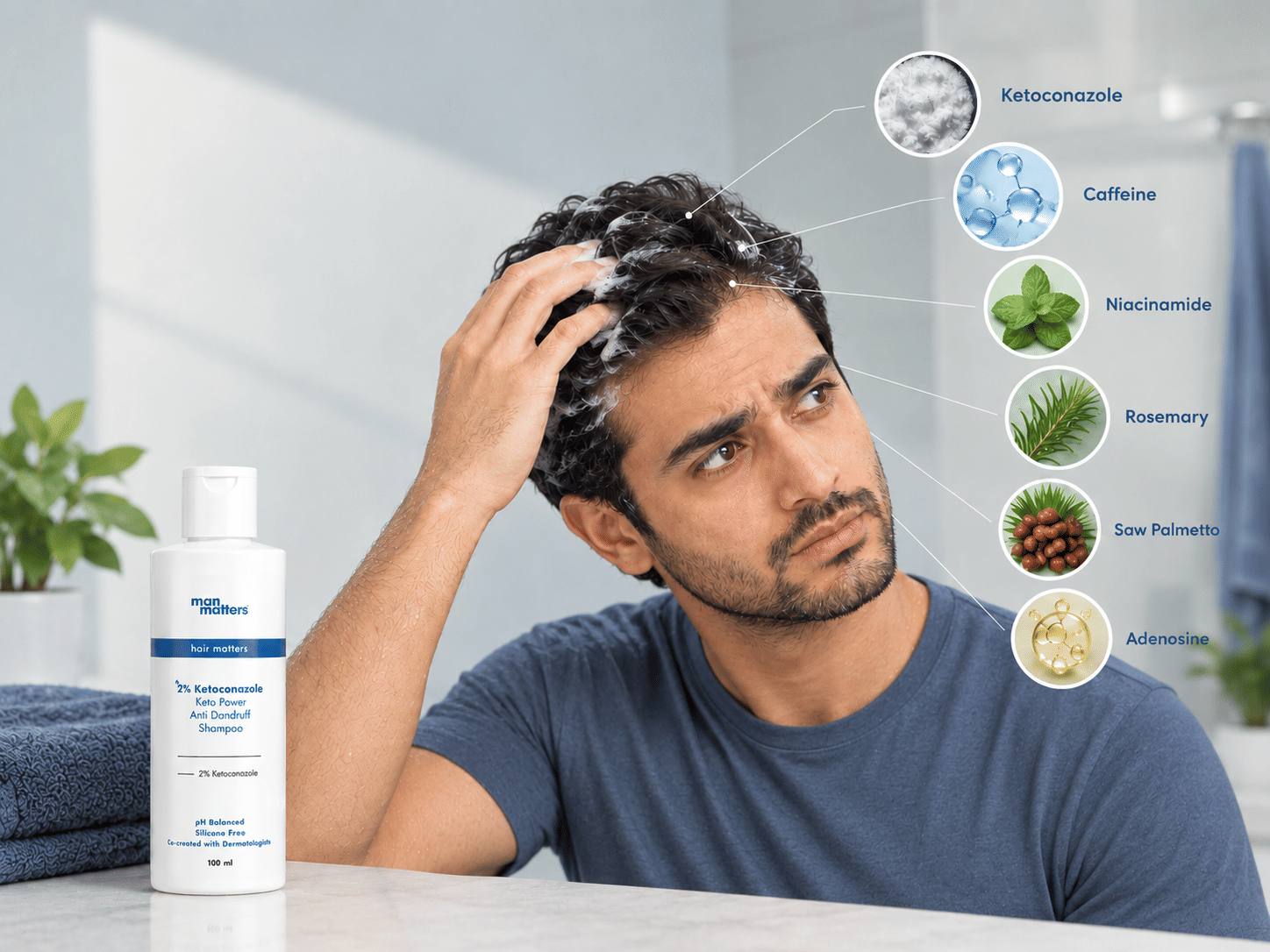
There is no single shampoo ingredient that is a cure-all for all kinds of hair fall. The best supported actives depend on what is causing your hair to shed. Ketoconazole, piroctone olamine and zinc pyrithione are all supported by evidence of calming scalp conditions associated with shedding, in particular dandruff. Caffeine and adenosine also have clinical research behind them, although the evidence is more limited and formulation specific. Popular ingredients in anti-hair-fall shampoos include biotin, rosemary, saw palmetto and peppermint. If your hair loss is androgenetic alopecia, shampoo alone won’t be enough and needs backup - usually minoxidil. Even the right ingredient works best as part of a routine you actually stick with, not a one-time fix. It's completely normal to feel lost with so many ingredients on the market. A dermatologist can cut through the noise by identifying what's actually causing your hair fall, so you know what to treat and what to skip.
Can Shampoo Actually Stop Hair Fall?
Shampoo works on the surface of the scalp. The reasons for most hair loss are beneath the scalp, at the follicle level where hormonal shifts, thyroid changes, chronic inflammation, deficiencies and genetics do the real work. There is no intervention designed in a two-minute wash. But shampoo does shine when tackling dandruff, oiliness, irritation and breakage – problems that don’t cause pattern hair loss but can make shedding look and feel worse. Hair loss is generally classified as scalp-related shedding, shaft breakage, stress-related telogen shedding, and androgenetic alopecia. The pattern of genetic loss appears as receding hairline or thinning crown. Most men land on a shampoo without knowing which of these four is actually behind their shedding, that's usually the bigger gap than the ingredient list. That's where a dermatologist consultation comes in. It isn't just about getting a stronger product, it's about finally having someone tell you what's actually going on and what to do next, which for most men is the part that's been missing. Shampoo is one of the layers in a plan aimed at the real cause, not the plan itself.
Hair Fall vs Hair Breakage
Hair fall is when a strand comes out from the root and hair breakage is when the shaft breaks in the middle and shampoo has different effects on both. Indian dermatology hair-care guidance recommends telling the two apart before you pick a shampoo, since anti-breakage ingredients rarely touch scalp-driven shedding, and vise versa. A 24-week scalp care trial showed the benefits of ingredients aimed at the scalp condition for improving hair counts and retention better than repairing already-damaged shafts. A pragmatic check: if you see a little white bulb at the root of shed hairs, you are shedding. If the strand breaks into short pieces without a bulb, it’s breakage and a gentler shampoo that focuses on protein or moisture is a better fit than an anti-hair-fall shampoo.
Which Shampoo Ingredients Have the Best Evidence?
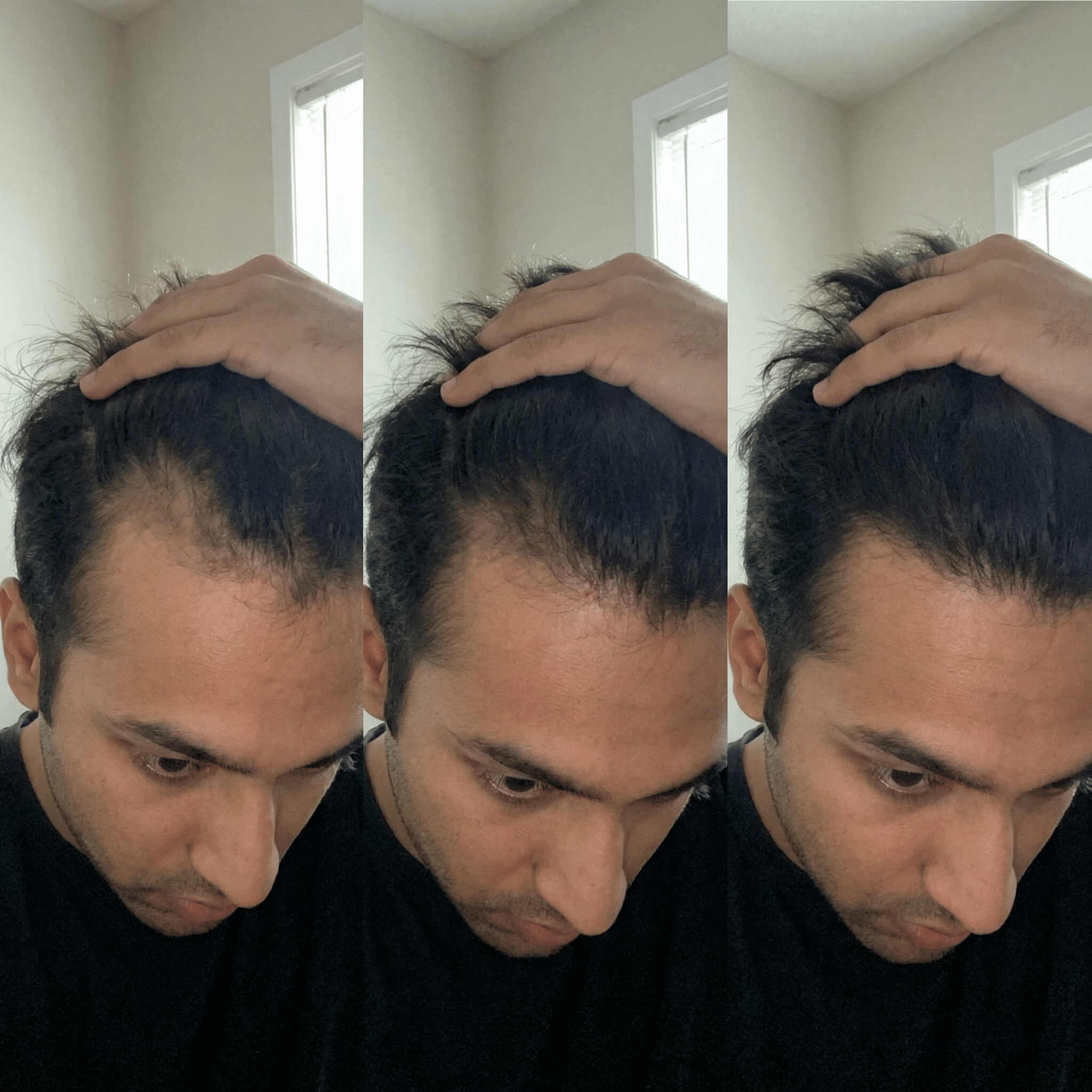
The strongest practical evidence for any shampoo ingredients supports actives that treat a specific scalp disorder or have their own shampoo-specific clinical trials, and none should be marketed as a universal hair-loss fix.
Evidence Tiers
Some items in this category are more important than others. Tier one includes ketoconazole, piroctone olamine and zinc pyrithione, which have dandruff and scalp-associated shedding-specific randomized trials in the shampoo setting. The second tier is caffeine and adenosine, which have more topical evidence and a few shampoo-specific studies, with quality ranging from low to moderate. Tier three: niacinamide, panthenol, biotin and proteins in the hair shaft that help to keep the scalp and strands in good shape but do nothing to address the cause of hair loss. The fourth tier includes rosemary, saw palmetto, onion, amla, bhringraj and peppermint - popular, but without dedicated shampoo trials.
Quick Reference: Shampoo Ingredient at a Glance
Does Ketoconazole Shampoo Help With Hair Fall?
Ketoconazole shampoo can help when dandruff or scalp inflammation is adding to your shedding, and research also points to a possible supporting role in androgenetic alopecia, though it should not be treated as a stand-alone hair-loss treatment.
What Does the Clinical Evidence Show?
A systematic review has shown that ketoconazole shampoo is associated with an increased hair-shaft diameter and visible photographic improvement in men with androgenetic alopecia. It is a promising adjuvant, not a first-line treatment. An earlier long-term comparison study of 2% ketoconazole shampoo reported gains in hair density and in anagen (active-growth) measures - the same 2% concentration used in formulations like Man Matters' Keto Power Shampoo. Another randomized comparative study has shown efficacy of anti-dandruff shampoos containing ketoconazole, piroctone olamine or zinc pyrithione in reducing shedding associated with dandruff and scalp irritation. If your scalp flakes, itches or feels oily, use it two or three times a week. Daily use can dry out otherwise fine hair. Stick with it for a few weeks before judging it, the trials behind this ingredient measured change at 8, 12 and 24 weeks, not after the first wash.
Can Piroctone Olamine or Zinc Pyrithione Reduce Hair Shedding?
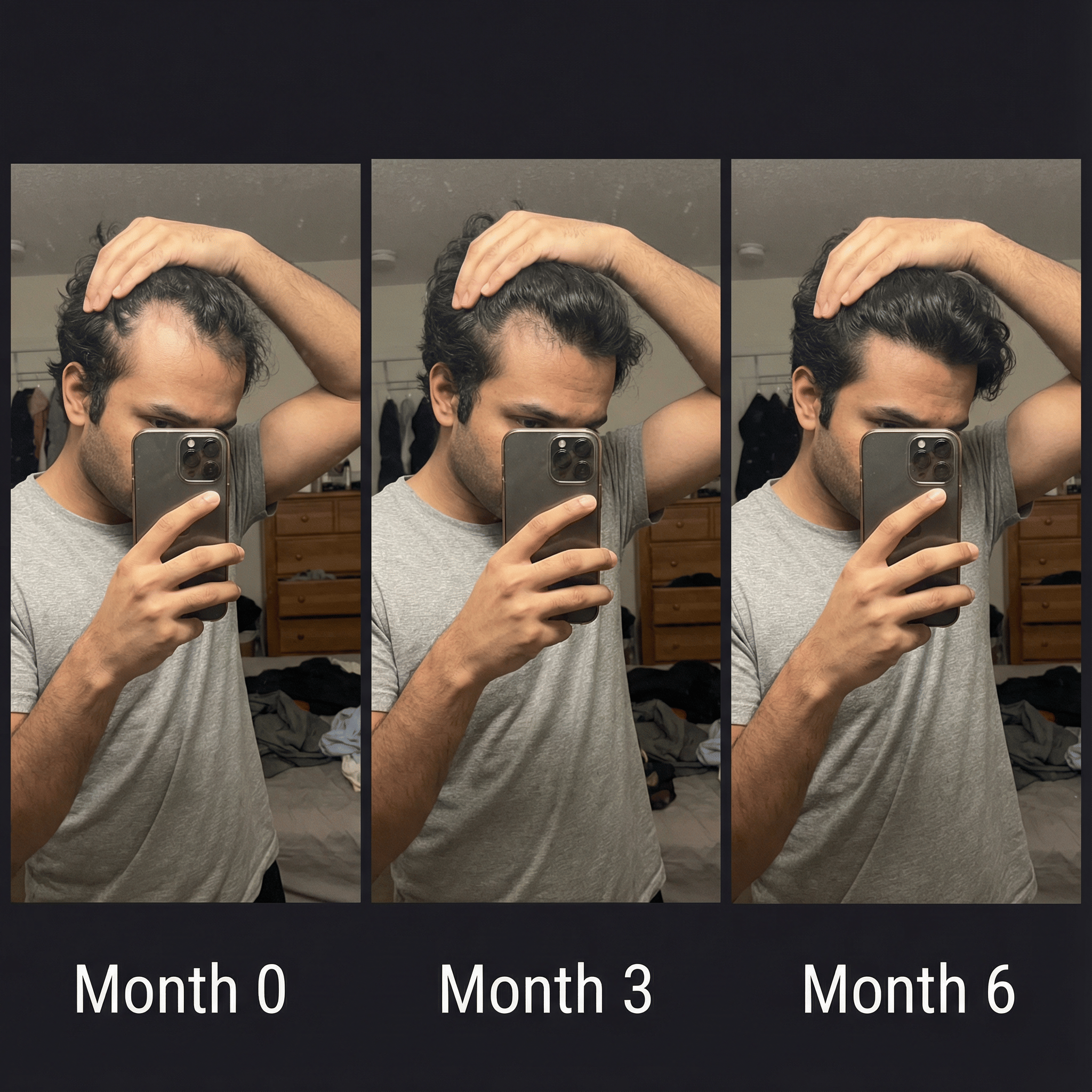
Both components have shampoo-specific evidence for reducing shedding in people with scalp problems associated with dandruff but no individual study shows either of them to be a stand-alone solution to hair loss.
What Did the Comparative Shampoo Study Find?
The same randomized comparative study testing ketoconazole also compared piroctone olamine and zinc pyrithione shampoos, and found measurable drops in daily shedding and a rise in the percentage of follicles in the active growth phase. Another randomized controlled trial comparing a piroctone-based shampoo to a placebo formulation showed decreased scalp oxidative stress and improved scalp condition.
What About Scalp-Condition Benefits?
One 24-week trial of a combo regimen, including piroctone olamine, zinc pyrithione, zinc carbonate, niacinamide, panthenol and caffeine, found reduced shedding and an improved hair count over time - but that’s because of the whole regimen working together, not any one ingredient alone. If your scalp feels dry and flaky or oily, either ingredient is a good place to start.
Does Caffeine Shampoo Actually Stop Hair Fall?
Clinical evidence for topical caffeine and hair loss is promising but limited. Evidence for caffeine shampoos in particular is not strong enough to say that they are a reliable treatment for hair-fall.
What Does the Topical Caffeine Evidence Show?
A systematic review published in 2025 looked at nine clinical studies of topical caffeine, most of them leave-on or scalp applied preparations, not shampoo. The review found overall positive trends, but rated most of the underlying evidence as low or very low quality, with wide variation in product strength and study design.
What Does the Caffeine + Adenosine Shampoo Trial Show?
Another randomized clinical trial in 77 adults tested one specific caffeine-and-adenosine shampoo and found greater density and less hair shedding compared to baseline after frequent use.
Does Adenosine in Shampoo Help With Hair Loss?
There is clinical evidence to support the use of adenosine as a topical hair-loss ingredient, with some research focusing on shampoos specifically, but the evidence base is still too limited to consider it equivalent to an established hair-loss medicine.
What Does the 2025 Systematic Review Conclude?
A 2025 systematic review and meta-analysis of the efficacy of topical adenosine found seven clinical trials of topical adenosine, including leave-on lotions and rinse-off shampoos, and rated overall evidence from very low to moderate certainty.
Is Adenosine the Same as a Proven Hair-Loss Drug?
Previous studies in men with androgenetic alopecia (including one of the randomised studies and one other study) reported increases in the percentage of thicker hair and investigator-rated improvement. While promising, adenosine has not undergone the same rigorous testing as approved hair-loss drugs like minoxidil. Consider that a supporting ingredient, not a substitute.
What About Niacinamide, Biotin, Keratin and Panthenol?
These ingredients help your scalp barrier, hold onto moisture, and strengthen the hair shaft. Them being an ingredient on a shampoo bottle addresses the underlying cause of hair loss.
Which Claims Are Support-Level Only?
The combination treatment mentioned earlier was with niacinamide and panthenol in combination with piroctone olamine, zinc pyrithione and caffeine and not alone. Biotin deficiency does cause thinning hair, but most men don’t have a biotin deficiency and there’s no shampoo-specific evidence that topical biotin reverses shedding. Keratin and protein-based ingredients mostly smooth the shaft and reduce breakage – think of them as texture and strength ingredients, not scalp treatments.
Which Popular Hair-Fall Shampoo Ingredients Are Not Well Proven?
Rosemary, saw palmetto, onion, amla, bhringraj and peppermint should not be considered proven shampoo treatments for hair loss without shampoo-specific human evidence to support them.
Why Are These Ingredients Still Popular?
These ingredients are in demand due to small studies, traditional use and mechanistic theories, but that is not the same as a controlled shampoo trial in people with diagnosed hair loss. For instance, rosemary oil has been studied mostly as a leave-on scalp treatment, not as a rinse-off shampoo ingredient, and the two forms of use are not interchangeable.
What About "Natural" Ingredients?
Natural doesn't mean better. It doesn't mean gentler for every scalp. Plant extracts can also irritate sensitive skin. Don’t judge an ingredient by the label. You should judge it by the evidence behind it and how your scalp responds.
Which Shampoo Ingredients Can Make Hair or Scalp Problems Worse?
Harsh cleansers, or those with a high fragrance or alcohol content, can cause dryness, irritation or breakage in a sensitive scalp, but shouldn’t be framed as a direct cause of hair loss.
What Should People With Dry or Sensitive Scalps Watch For?
Strong sulphate surfactants rinse away natural oils quickly, leaving hair drier and more prone to snapping, especially when washed daily. High alcohol content and heavy fragrance raise the possibility of contact irritation on sensitive scalps. If a shampoo leaves your scalp feeling tight, itchy or flaky after a few washes, it’s a sign to switch regardless of what the ingredient list says it can fix.
Which Shampoo Ingredients Should You Choose for Different Types of Hair Fall?
Shampoo isn't going to fix genetic hair loss, but choosing shampoo for what it can actually solve like dandruff and scalp inflammation, breakage and dryness, or just general scalp maintenance is important -
For Dandruff or Itchy Scalp
Look for ketoconazole, piroctone olamine or zinc pyrithione, which are used two to three times a week rather than every day. Products like Man Matters’ DHT Blocking Shampoo has caffeine, argan oil, biotin and saw palmetto for men who are experiencing buildup on the scalp and general thinning. These ingredients help reduce hair thinning and strengthen hair follicles.
For Dry, Brittle Hair and Breakage
Opt for mild, low-sulfate formulas that include conditioning agents such as panthenol, keratin or protein. If you have weak hair, don’t wash them daily. Use a leave-in conditioner after towel drying to reduce friction.
For Pattern Hair Loss
Hair fall isn't a verdict - it's a routine, and shampoo is only the first step in it. Minoxidil is the most well-studied over-the-counter therapy for androgenetic alopecia, and it works much better when combined with a gentle shampoo designed for the scalp than when relying solely on the shampoo to do the heavy lifting. A dermatologist consultation isn't just about getting a stronger product, it's about finally having someone tell you what's actually going on and what to do next, which for most men is the part that's been missing. See often to use minoxidil guide and understand the best use-case for you before taking that step.
When Is Shampoo Not Enough for Hair Loss?
Persistent, progressive, patchy, sudden, or obviously patterned hair loss may need medical assessment rather than a change of shampoo for the cause.
When Should You See a Dermatologist?
If you have a receding hairline or a thinning crown that keeps getting worse over several months, sudden or patchy bald spots, scarring on your scalp, pain or bleeding, or shedding that comes with other symptoms, like fatigue or skin changes, visit a dermatologist or hair specialist who can help you chart your pattern before making your next move on your own. Bringing it up earlier, rather than sitting with it alone, tends to change the outcome more than any product switch and it's a far more common conversation to have than it feels like when you're the one having it.
Frequently Asked Questions
What ingredients in shampoo prevent hair loss?
There is no one shampoo ingredient that can stop all types of hair loss. Ketoconazole, piroctone olamine and zinc pyrithione are helpful for scalp conditions associated with hair shedding, while caffeine and adenosine have promising but less established evidence. The correct choice depends on whether your problem is dandruff, breakage or an underlying hair-loss disorder.
What ingredient in shampoo can make your hair fall out?
Harsh sulfates, heavy fragrance and high alcohol content can dry out the scalp and hair shaft, which can lead to breakage and irritation in sensitive users. If a shampoo makes your scalp itchy, dry or inflamed, try a milder formula and get the persistent irritation checked out.
Which shampoo is 100% natural?
There is no dermatological standard for the phrase "100% natural" and it does not mean a shampoo is better for hair loss, or suitable for every scalp. Plant-based ingredients can still cause skin irritation, and natural origin is not a clinical proof. Select according to the particular ingredient, the evidence supporting it and how your scalp reacts.
What shampoo will stop my hair from falling out?
Anti-dandruff actives like ketoconazole can be helpful if scalp inflammation is leading to shedding, but other formulas primarily minimize breakage or promote scalp health. The men who see the most change are usually the ones who pair the right product with consistent use, not the ones who keep switching bottles every few weeks.
Is caffeine shampoo actually effective for hair loss?
Caffeine shampoo has promise, but evidence isn’t sufficient to consider it a reliable fix. A systematic review of studies on topical caffeine in 2025 rated most evidence as lesser quality. And a 2024 trial of one caffeine-and-adenosine shampoo found less hair loss among 77 adults, but that finding is limited to that formulation.